Bird Face Type: Meaning, Features, Makeup, and How to Tell
A practical guide to the light, alert, refined look often called a bird pretty face type—and the clues that separate it from deer, fox, and cat impressions.

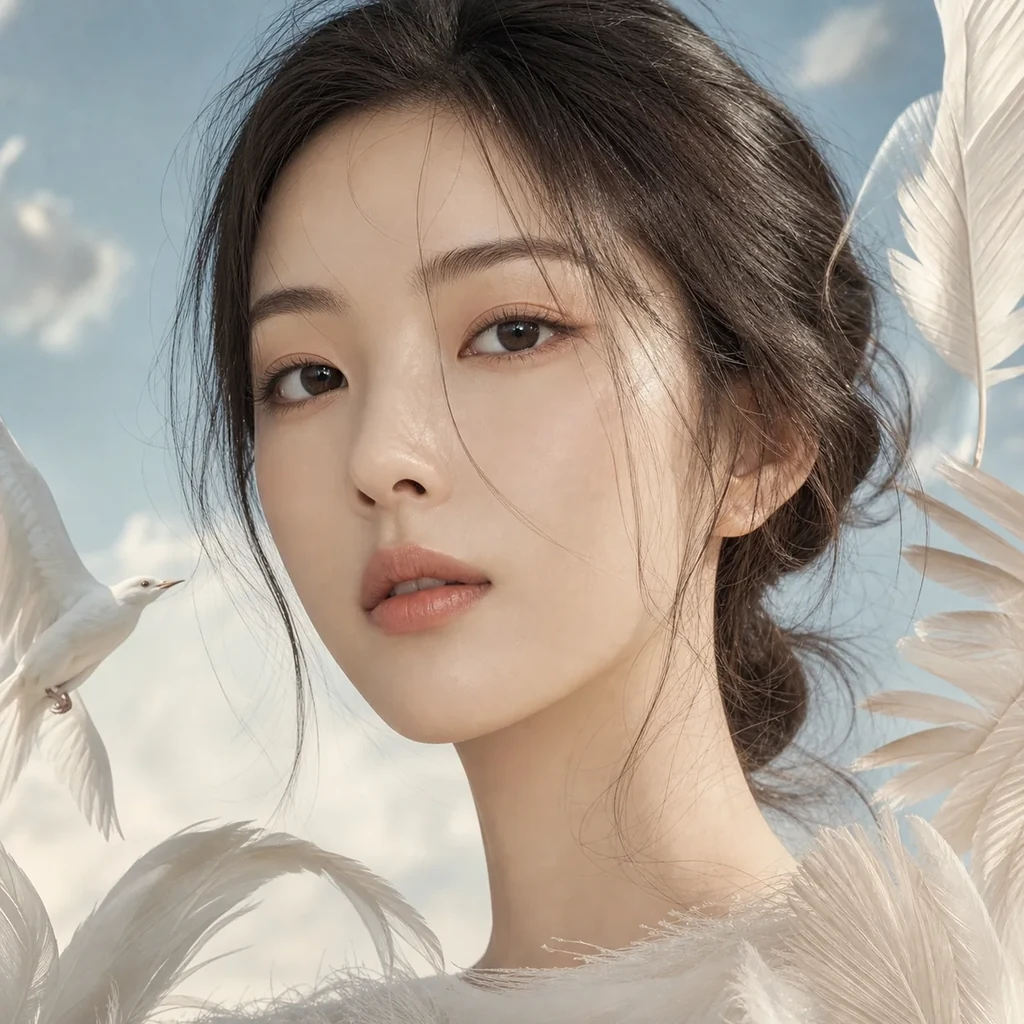
A useful boundary
Bird face type is beauty and styling language, not a scientific classification. Use it to describe the visual impression of a face, then let an actual photo test or your own judgment handle the nuance.
Bird face type in 30 seconds
- The look usually reads light, alert, refined, and slightly elongated rather than round or heavily dramatic.
- Bright eyes, a clean nose bridge, a neat jawline, and an awake expression are common clues—but no single feature decides the result.
- Bird can overlap with deer or fox: compare the overall line quality, not just the eyes.
- Makeup can emphasize a bird-inspired impression, but it does not prove that a person has one fixed face type.
- Mixed results are normal. A bird-deer or bird-fox blend may be more useful than forcing one label.
Wondering what bird face type means? In animal-face beauty language, a bird-inspired face usually gives a light, awake, and refined impression. People may notice bright or observant eyes, a relatively clean profile, a neat lower face, and an expression that feels fresh rather than heavy. That is why searches for bird pretty face type often sit beside questions about deer, fox, cat, or other Korean animal face types.
The label is most useful as a comparison tool, not a score. You can use the guide below to check your eyes, face length, nose bridge, jawline, and overall expression, then compare the result with the broader animal face types guide. If you want an image-based opinion after the self-check, the Korean animal face types test can give you a playful starting point.
What Does Bird Face Type Mean?
Think of it as a visual mood built from several small signals.
A bird face type is usually described as bright, delicate, and slightly lifted in energy. The face may look more elongated than round, with a defined but not necessarily sharp profile. The eyes often attract attention first: they can look clear, alert, wide-set, or gently tapered, depending on the person. A calm, observant gaze can create the same impression even when the eye shape is not dramatic.
Unlike a literal animal resemblance, this archetype is about how facial proportions and expression work together. A small chin, a slim nose bridge, or a long face alone does not make a bird type. The impression becomes stronger when the eyes, profile, cheeks, and expression point in the same direction. That is also why the same person may look bird-like in one photo and more deer-like or fox-like in another.
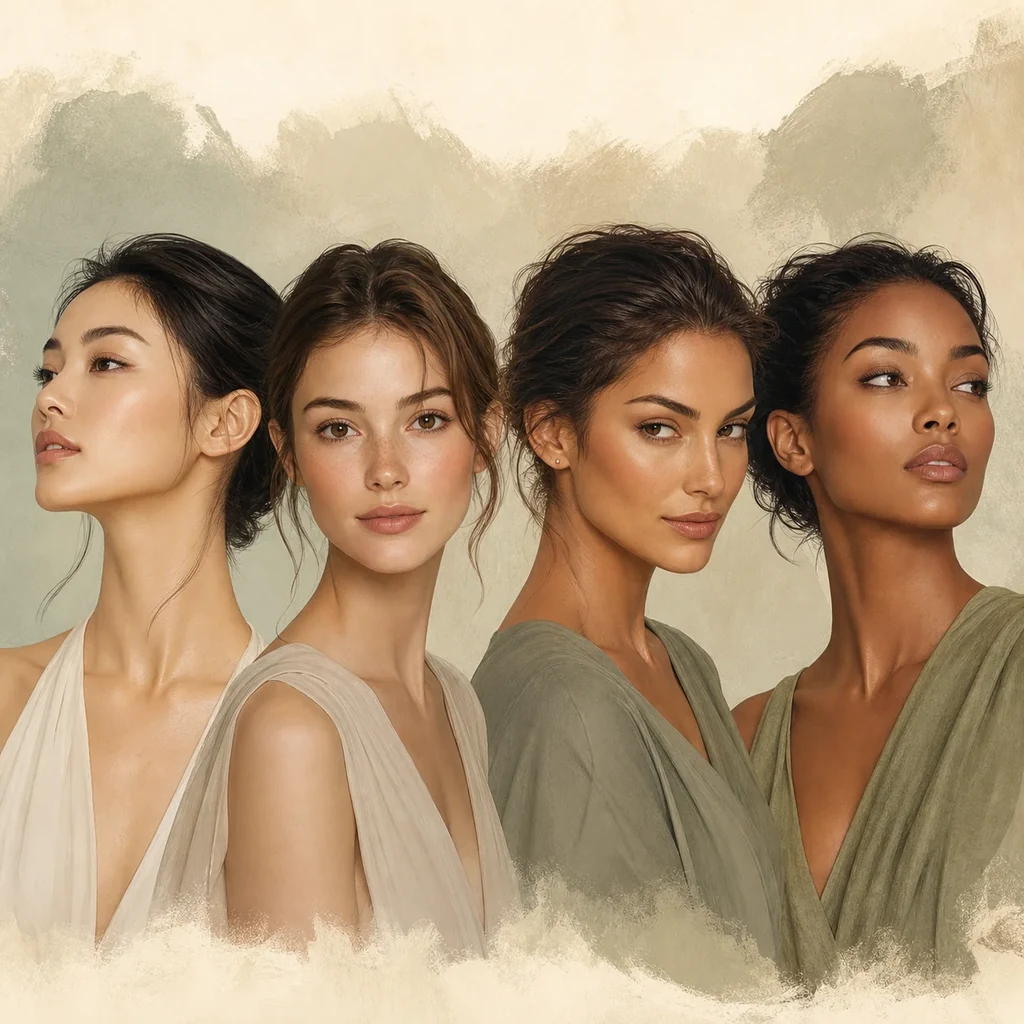
Bird Face Type Features: Eyes, Profile, and Expression
When people describe a bird type face, they are usually responding to a combination of lightness and structure. The eyes may look bright, clear, or quietly focused instead of rounded and very soft. Brows often follow a relatively clean line. The nose bridge can read straight or neat in profile, while the cheeks and jaw keep the lower half from feeling overly full. These are visual tendencies, not a checklist that every person must match.
Expression matters as much as bone structure. A relaxed mouth, lifted inner gaze, and open posture can make a face feel more bird-like, while a strong winged liner or narrowed eyes can shift the same face toward fox or cat. Before deciding, look at a neutral photo taken at eye level. Avoid judging from a selfie with a wide-angle lens, a beauty filter, or a dramatic pose.
- Eyes: bright, observant, lightly tapered, or open-looking rather than deeply shadowed.
- Brows: clean and balanced, often with a gentle lift instead of a very straight heavy bar.
- Profile: a neat nose bridge and a clear transition from forehead to nose can support the impression.
- Lower face: a tidy chin and moderate jawline often read lighter than a broad or strongly angular lower face.
- Expression: fresh, alert, curious, and quietly elegant are common style words.
Bird Face Type vs Deer, Fox, and Cat
The easiest way to understand bird face type is to compare its center of gravity with nearby archetypes. Bird usually feels airy and awake. Deer tends to feel softer and more open, fox more focused and elongated, and cat more lifted or defined around the eyes. None of these impressions is better than another; the table simply gives you a consistent vocabulary for comparison.
For deeper single-type explanations, you can read the guides to deer face type, fox face type, and cat face type. The goal is not to collect labels. It is to notice which description stays true across neutral photos, daylight, and different expressions.
Bird + deer
A common blend when a clear gaze is paired with soft cheeks and a gentle smile.
- Signature features: bright eyes, soft transitions
- Overall impression: fresh and graceful
- Common mix-ups: the face can look more deer-like in warm, smiling photos
Bird + fox
A sharper blend when an airy face also has a longer profile or focused outer eye.
- Signature features: clean profile, lifted gaze
- Overall impression: intelligent and refined
- Common mix-ups: liner can make the result look fully fox-like
| Type | What draws attention | Overall line | Typical mix-up |
|---|---|---|---|
| Bird | Bright, alert eyes and a neat profile | Light, clean, slightly elongated | Deer when the expression is soft |
| Deer | Open eyes, gentle cheeks, calm softness | Long and graceful with softer transitions | Bird when the eyes look especially clear |
| Fox | Focused eyes, sharper tail or cheek direction | More tapered, angular, or mature | Bird when the face is slim but less intense |
| Cat | Lifted eyes, defined cheekbones, controlled gaze | Compact or sculpted with sharper accents | Fox when the eye makeup is dramatic |
How to Self-Check Your Bird Face Type
A useful self-check should reduce guesswork rather than create a new beauty rule. Use one front-facing photo in soft daylight and one relaxed three-quarter photo. Keep your face makeup light, remove filters, and compare the same five cues. If three or four cues point toward bird and the remaining cues point toward deer or fox, record a primary and secondary type instead of forcing a single answer.
This approach also pairs well with the five-step method in our Korean animal face type self-check. That guide covers the wider cat, puppy, rabbit, deer, and fox group; this page narrows the lens to the bird archetype and its boundaries.
- Start with the eyes: do they look clear and observant in a neutral expression?
- Check the face length: does the outline feel lightly elongated rather than round or strongly square?
- Check the profile: does the nose bridge and mid-face read neat and continuous?
- Check the lower face: does the chin and jaw feel tidy rather than very broad or sharply sculpted?
- Step back: does the total impression feel airy and awake, even without makeup?
The strongest type is the one that still makes sense after you remove the pose, filter, and dramatic makeup.
Bird Face Makeup and Styling Cues
Bird-inspired styling works best when it keeps the face light and readable. Use a thin, softly lifted liner rather than a very thick wing, brighten the inner eye without creating a hard white block, and keep the brow shape tidy. A sheer base, soft peach or rose blush, and a lip color close to your natural tone can support the fresh impression without turning the look into a costume.
Makeup can change the perceived archetype, so treat it as an experiment. A stronger outer wing may push the same face toward cat or fox. Heavy contour can reduce the airy quality, while a very round under-eye highlight can move the impression toward puppy or rabbit. If you are testing your natural face type, take one bare-faced or lightly styled photo first, then compare a second photo after makeup.
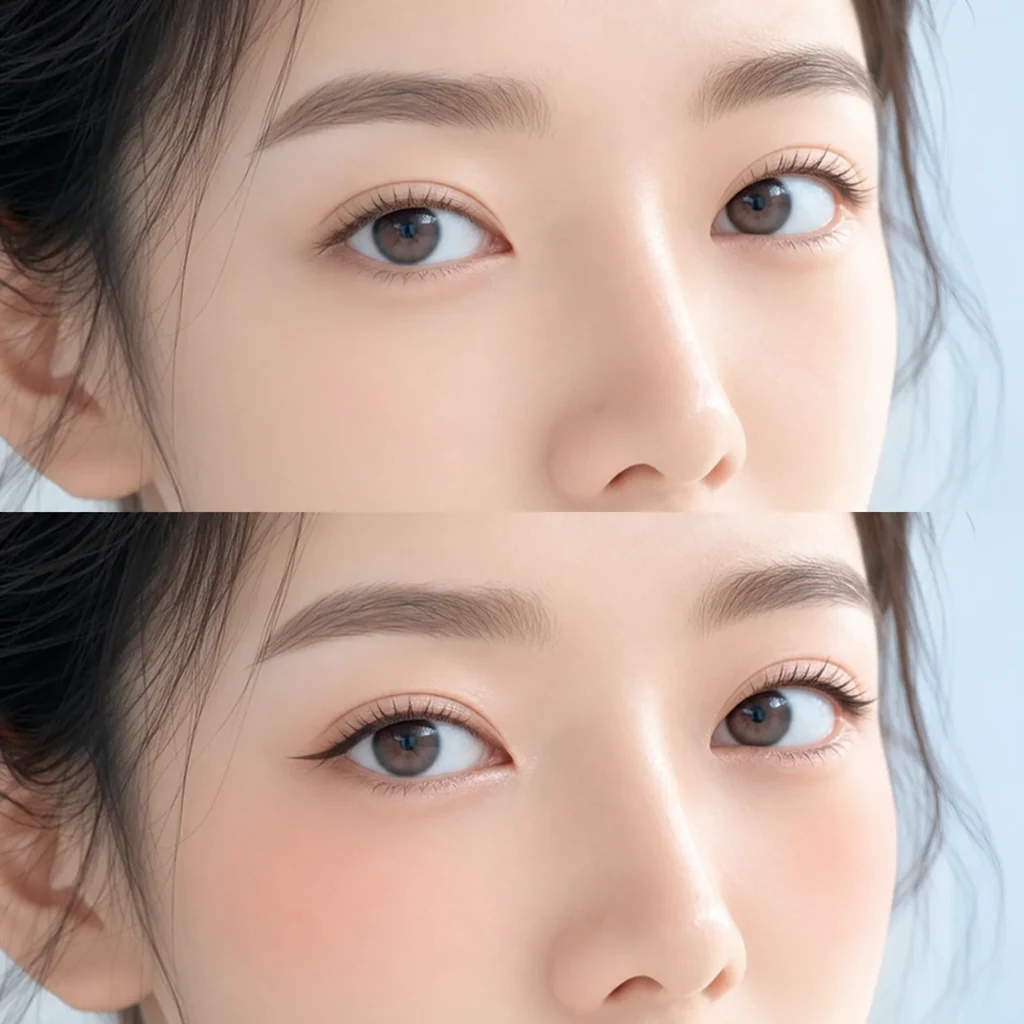
- Keep liner fine and slightly lifted; avoid a heavy wing if you want the eyes to stay airy.
- Use translucent or satin skin rather than dense contouring.
- Place blush softly across the upper cheek instead of drawing a sharp sculpted stripe.
- Choose hair and accessories that leave the eyes and profile visible in photos.
- Compare styling choices, but do not treat a makeup result as proof of an innate category.
Why Bird Face Type Results Can Be Mixed
Mixed results are not a failure. Animal face archetypes are informal descriptions, and faces rarely fit one neat box. A person may have the bright eye area associated with bird, the soft cheeks associated with deer, and the longer profile associated with fox. Lighting, lens distortion, hair, makeup, and expression can change which signal appears strongest.
If an AI result gives you bird at 42% and deer at 35%, the useful takeaway is the shared visual neighborhood—not a measurement of attractiveness or personality. You can explore the result through the existing animal face types test, then compare it with your own neutral photos. Keep the label playful, and remember that a photo-based tool cannot capture every part of a real face or a real person.
Want an image-based animal face result?
After your self-check, upload a clear photo to explore whether your face reads more bird, deer, fox, cat, or another animal archetype. The result is for style exploration, not a scientific diagnosis.
Bird Face Type FAQ
Related reading
-
Animal Face Types ExplainedA broader overview of cat, dog, deer, rabbit, fox, and mixed animal face archetypes.Read the overview
-
How to Find Which Korean Animal Face Type You AreA practical five-step self-check for comparing eyes, face length, jawline, and expression.Use the self-check guide