Girl Animal Face Types: 9 Female Face Archetypes Compared
A practical, non-scientific guide to reading cat, puppy, deer, bunny, fox and other feminine animal-face impressions without forcing yourself into one label.

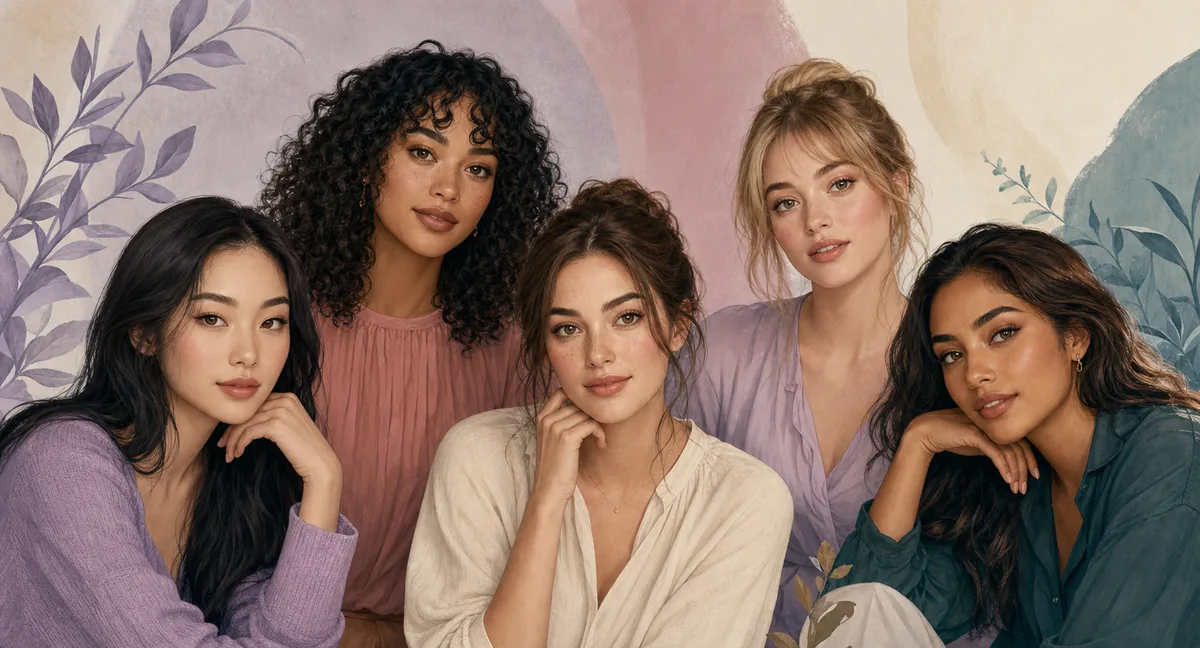
Editorial Note
Girl animal face types are cultural and beauty-style shorthand. They are not scientific classifications, personality tests, ethnicity rules, or attractiveness rankings. Use them as a playful way to compare visual cues.
Quick Answer
- The most common girl animal face types are cat, puppy, deer, bunny and fox, with tiger, squirrel, horse and piggy appearing in broader systems.
- Eyes start the impression, but face length, jawline, cheek volume, nose shape and expression usually decide the closer match.
- Cat and fox types read sharper; puppy and bunny types read softer; deer types combine gentle eyes with a longer, more delicate outline.
- Asian girl animal face type searches usually reflect Korean and East Asian beauty vocabulary, but the visual clues can be used by people of any background.
- Mixed results are normal. Compare two or three leading types instead of treating the highest AI percentage as a permanent identity.
The search girl animal face types usually comes from a comparison problem, not a desire for a random animal nickname. You may already notice that your eyes look cat-like in one photo, your cheeks look bunny-like when you smile, and your face outline feels more deer-like from the front. This guide helps you decide which signals are stable and which are created by styling, expression or camera angle.
The short answer is that there is no single official list. The five most familiar feminine archetypes are cat, puppy, deer, bunny and fox. Expanded systems add tiger, squirrel, horse and piggy. If you want the broad cultural background first, read our animal face types guide. This page stays focused on how the archetypes are commonly read on women's faces and how to compare close matches without turning a beauty trend into pseudoscience.
For a quick personalized result, the Animal Face Test can analyze a clear photo. Use the result as a starting hypothesis, then check it against the comparison table, your neutral expression and a second photo with a natural smile.
What Are Girl Animal Face Types?
Girl animal face types are a descriptive beauty vocabulary that groups several facial cues into an easy visual archetype. Saying someone has a cat face usually communicates lifted almond eyes, a cleaner lower face and a polished impression faster than listing every feature separately. The label is useful because it describes harmony: how the eyes, outline, cheeks and expression work together.
The word girl in the search query does not mean the system is limited by age. In practice, searchers use it to find feminine-presenting examples, makeup ideas and comparisons that differ from the stronger brow, facial-hair and jawline considerations covered in our animal face types for men guide. Adults should still avoid treating the labels as fixed identity or value judgments.
- Read the whole face before naming a type.
- Use a neutral front-facing photo before a posed selfie.
- Separate stable structure from makeup, filters and expression.
- Keep the top two types when the evidence is mixed.
Girl Animal Face Types Comparison Table
A fast comparison works best when you start with the strongest differentiator rather than every possible trait. The table below focuses on the clue that most often separates neighboring types.
| Type | Fastest clue | Typical outline | Common impression | Closest match |
|---|---|---|---|---|
| Cat | Lifted almond eyes | Defined or tapered | Chic and composed | Fox, Tiger |
| Puppy | Round or softly drooping eyes | Soft and approachable | Warm and friendly | Bunny, Deer |
| Deer | Large gentle eyes with length | Longer and delicate | Graceful and calm | Bunny, Puppy |
| Bunny | Bright eyes and youthful cheeks | Shorter and soft | Cute and lively | Puppy, Deer |
| Fox | Long lifted eyes | Narrow and pointed | Elegant and mysterious | Cat |
| Tiger | Strong brows and direct eyes | Structured and angular | Bold and confident | Cat, Fox |
| Squirrel | Bright small features and full cheeks | Compact and rounded | Quick and cheerful | Bunny, Piggy |
| Horse | Long face and open proportions | Elongated | Poised and mature | Deer |
| Piggy | Rounded nose and plush cheeks | Round and compact | Friendly and playful | Squirrel, Puppy |
The 9 Female Animal Face Archetypes
Treat each card as a cluster, not a checklist that requires every feature. The best match is the type that explains the largest number of stable cues with the least forcing.
Cat Face
Cat faces usually feel sleek and visually lifted. Eye direction and a cleaner lower face create the strongest signal.
- Signature features: almond or upturned eyes, defined cheekbones, tapered jaw, controlled expression
- Overall impression: polished, cool, charismatic
- Often confused with: fox when the face is longer; tiger when the brows and jaw are stronger
Puppy Face
Puppy faces communicate softness and emotional openness, especially when the eyes tilt gently downward.
- Signature features: round or droopy eyes, straighter brows, soft jaw, fuller cheeks
- Overall impression: warm, approachable, youthful
- Often confused with: bunny when the cheeks dominate; deer when the face is longer
Deer Face
Deer faces combine large calm eyes with a longer, refined outline rather than a compact baby-face shape.
- Signature features: wide gentle eyes, long lashes, slim jaw, longer face, delicate nose
- Overall impression: graceful, airy, gentle
- Often confused with: bunny when the face is shorter; horse when the proportions are more elongated
Bunny Face
Bunny faces are bright and youthful, with cheek softness and lively eyes carrying much of the impression.
- Signature features: round bright eyes, compact face, soft cheeks, small nose, animated smile
- Overall impression: cute, fresh, energetic
- Often confused with: puppy when the eyes droop; deer when the face lengthens
Fox Face
Fox faces are the longer, sharper neighbor of the cat type, often with a more mature and mysterious read.
- Signature features: long lifted eyes, narrow face, pointed chin, straighter nose, restrained cheeks
- Overall impression: elegant, clever, magnetic
- Often confused with: cat when the face is shorter and less narrow
Tiger Face
Tiger faces feel strong and direct. Structure around the brows, eyes and jaw matters more than softness.
- Signature features: strong brows, focused eyes, prominent cheekbones, angular jaw
- Overall impression: bold, confident, commanding
- Often confused with: cat or fox when the structure is lighter
Squirrel Face
Squirrel faces look compact and animated, with cheek fullness and smaller bright features working together.
- Signature features: full cheeks, compact proportions, bright eyes, small chin, expressive smile
- Overall impression: cheerful, quick, playful
- Often confused with: bunny or piggy
Horse Face
Horse faces are identified mainly by length, open spacing and a mature, balanced profile.
- Signature features: long face, longer nose, open proportions, clear jawline
- Overall impression: poised, refined, mature
- Often confused with: deer when the eyes are especially gentle
Piggy Face
Piggy faces use rounded center features and soft cheek volume to create an open, friendly impression.
- Signature features: rounder nose tip, full cheeks, compact face, curved features
- Overall impression: friendly, sweet, humorous
- Often confused with: squirrel or puppy
What Does “Girl Animal Face Types Asian” Mean?
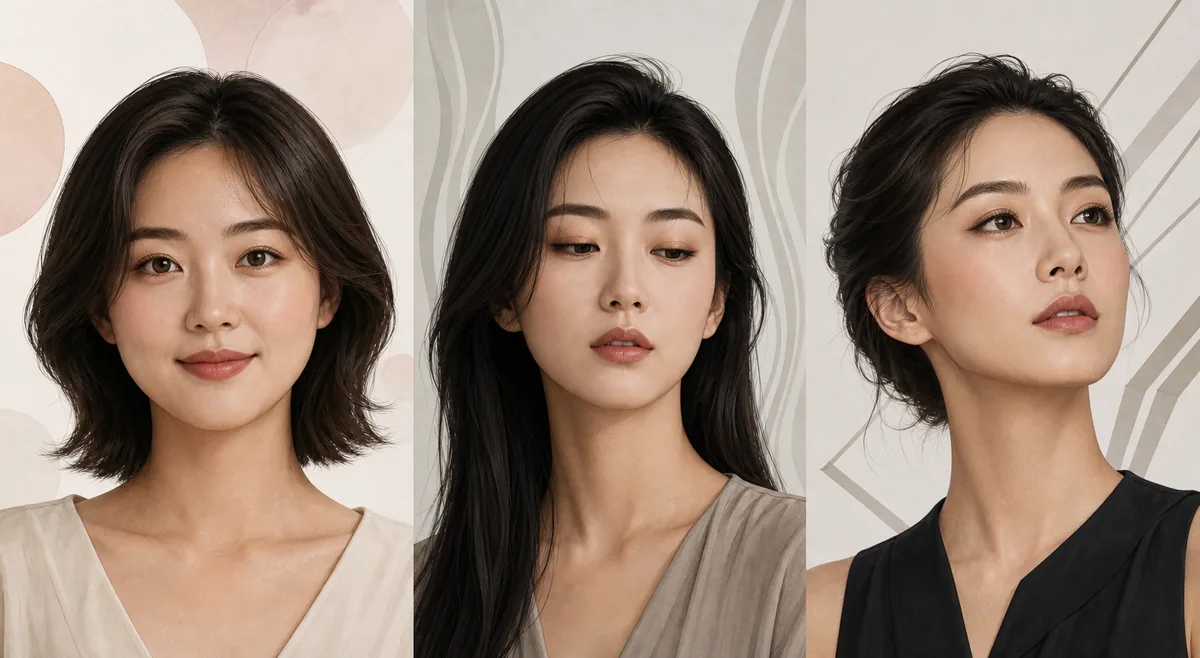
The phrase girl animal face types Asian usually points to Korean and East Asian beauty vocabulary, where terms such as cat face, puppy face, deer face, bunny face and fox face are common shorthand in entertainment and beauty discussion. The system spread internationally because the labels make subtle facial impressions easy to describe.
That cultural origin does not make the archetypes ethnicity tests. There is no single Asian facial template, and people from any background can show soft puppy-like eyes, a fox-like lifted line or deer-like proportions. Use Asian celebrity examples only as style references, not as proof that a type belongs to one ethnicity.
How to Tell the Closest Types Apart
Cat vs fox: both can have lifted eyes, but fox usually looks longer and narrower. Cat faces often keep more cheek structure or a shorter lower face. If the eyes are sharp but the overall outline is compact, cat is usually the better label.
Deer vs bunny: both can have large gentle eyes. Deer becomes more likely when the face is longer, the jaw is slimmer and the impression is calm. Bunny becomes more likely when the cheeks are fuller, the face is shorter and the smile creates a lively baby-face effect.
Puppy vs bunny: puppy eyes tend to feel softer or slightly droopy, while bunny eyes feel brighter and more alert. Puppy faces often read warm and relaxed; bunny faces often read energetic and youthful. Our animal eye type guide gives a closer eye-shape comparison.
Cat vs tiger: tiger has more visual weight. Stronger brows, a broader or more angular jaw and a direct expression push the face toward tiger, while cleaner and lighter lines keep it in cat territory.
A Five-Step Girl Animal Face Type Self-Check
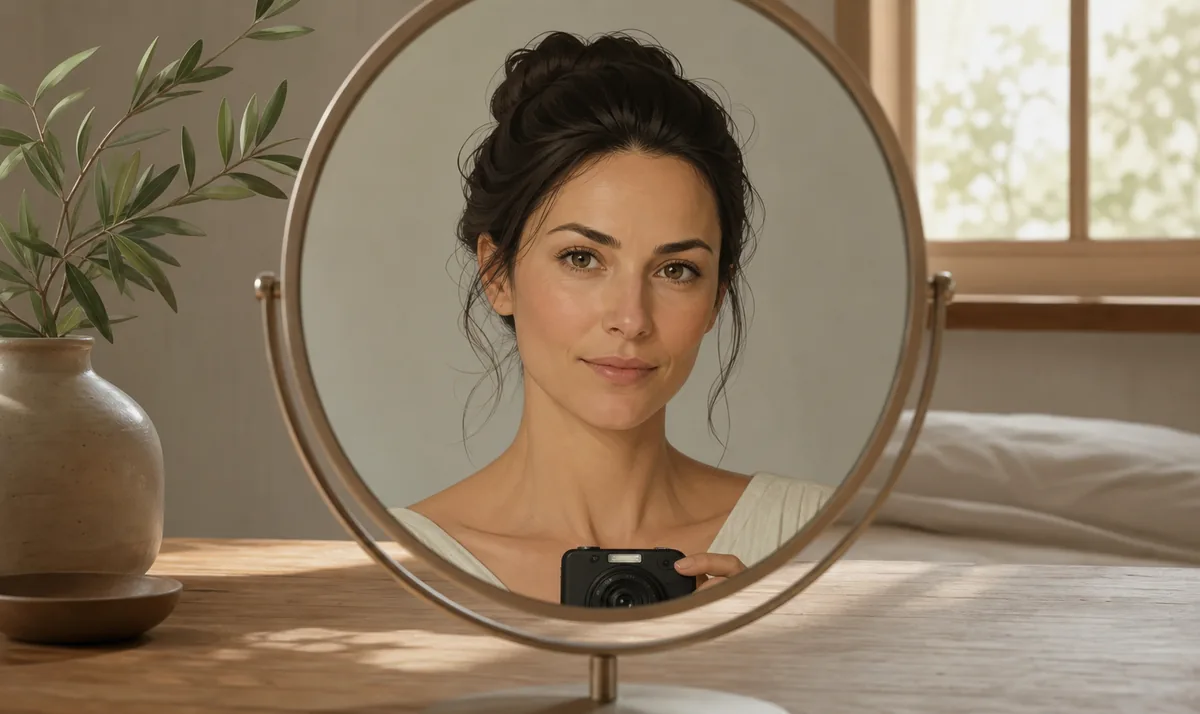
Use one neutral front-facing photo in indirect daylight. Tie back hair that hides the jaw, relax your mouth and avoid portrait-mode distortion. Then repeat the check with a natural smile to see which cues remain stable.
| Step | What to inspect | What it helps separate |
|---|---|---|
| 1 | Eye direction and openness | Cat/fox from puppy/bunny/deer |
| 2 | Face length | Deer/horse/fox from bunny/squirrel/piggy |
| 3 | Jawline and chin | Tiger/cat/fox from softer types |
| 4 | Cheek volume and nose shape | Bunny/squirrel/piggy from deer/fox |
| 5 | Neutral and smiling impression | Stable type from expression-only effects |
Makeup and Photo Cues Can Shift the Result
Winged liner, lifted brows and contour can move a face toward cat or fox. Rounded blush, softer brows and under-eye emphasis can strengthen puppy, bunny or deer impressions. These changes are useful for styling, but they should not be mistaken for permanent structure.
Camera distance matters too. A close wide-angle selfie can enlarge the center of the face and make cheeks or nose look rounder. A longer lens and slightly elevated angle can narrow the lower face. For a fair comparison, keep the camera at eye level, use even light and compare more than one photo.
If your interest is mainly beauty mood rather than structure, see our animal pretty types guide, which focuses on how cat, bunny, deer, fox and puppy impressions are styled.
Mixed Types, AI Results and the Limits of the Labels
Most people do not fit a pure archetype. A cat-deer mix may combine lifted eyes with a long delicate outline. A puppy-bunny mix may combine softer eye direction with youthful cheeks. A tiger-cat mix may have strong brows and jaw structure with a cleaner feline eye shape. Mixed labels are often more informative than forcing a single answer.
AI photo results can change with expression, image quality, cropping and lighting. Use the percentage spread rather than only the top label. If two types are close across several good photos, keep both. The tool is most useful when it gives you vocabulary for visual comparison, not when it pretends to deliver a permanent diagnosis.
Ready to Compare Your Own Result?
Upload a clear, front-facing photo, review the leading animal types, then return to the comparison table to check whether the structural clues agree.
Frequently Asked Questions
Context and Further Reading
-
Animal Face Types ExplainedOur broader guide to the cultural vocabulary, recurring archetypes and limitations.Read the guide
-
K-beauty overviewBackground on the international spread of Korean beauty concepts and vocabulary.Open background source
-
Animal Face Test editorial methodologyThe page structure was informed by GSC query mapping, Similarweb keyword-generator data and repository cannibalization checks completed July 29, 2026.