Puppy Eyes Meaning: How to Spot the Soft Animal Face Signal
A practical guide to what puppy eyes mean on a human face, why they feel warm or pleading, and how to read them inside animal face type results.

Editorial Note
Puppy eyes are a style-language and expression cue, not a medical, personality, or attractiveness diagnosis. Use the idea as a light way to describe facial impression.
Quick Answer
- Puppy eyes usually mean wide, soft, slightly pleading eyes that make a face feel gentle, warm, or approachable.
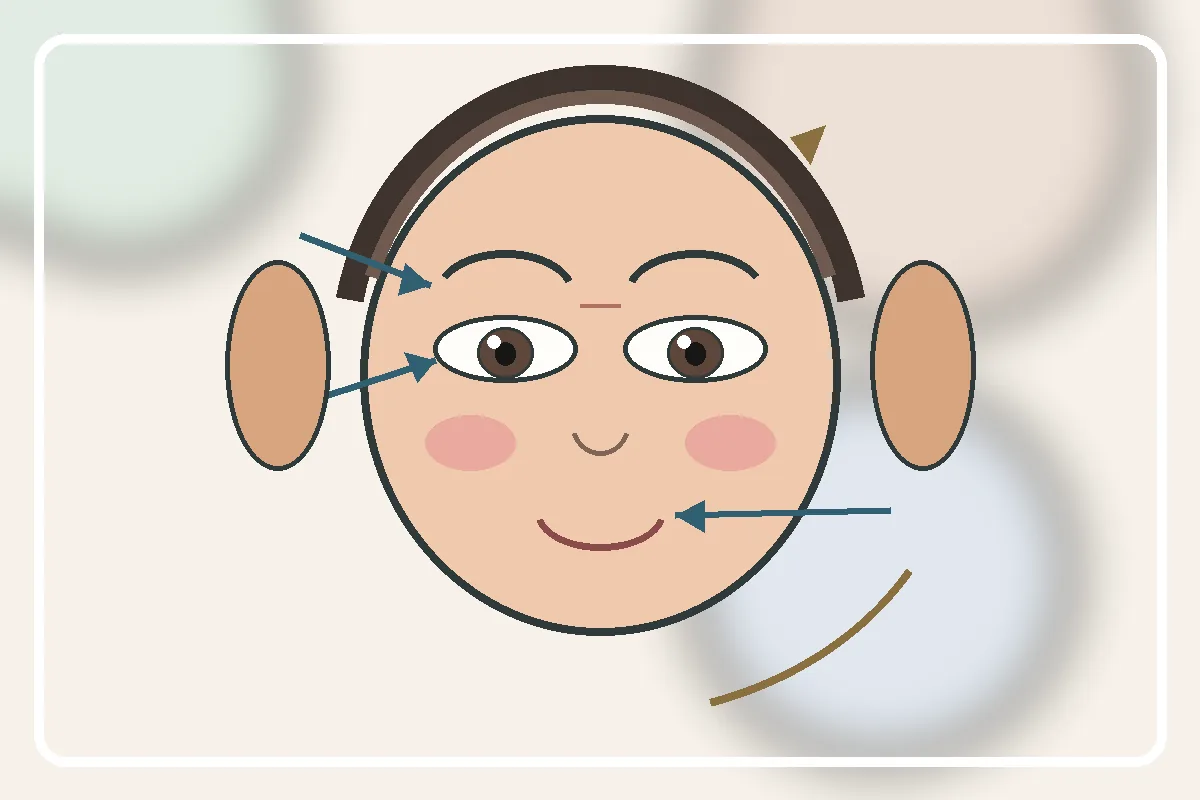
- On a human face, the strongest clues are open eyes, slightly raised inner brows, relaxed lower eyelids, and a soft mouth.
- Puppy eyes can be temporary expression signals or part of a broader puppy/dog animal face type.
- Photo angle matters: high angles, big catchlights, and a mild smile can make puppy eyes look stronger.
- The best animal face type reading compares puppy eyes with face shape, cheeks, jawline, and overall expression.
If you searched puppy eyes meaning, you may be asking about a phrase, a facial expression, or a specific animal face type clue. In everyday language, puppy eyes describe a soft, wide-eyed look that feels gentle, vulnerable, affectionate, or quietly persuasive.
On this site, the phrase also matters because puppy or dog-like eye signals can influence an Animal Face Test result. This guide explains the face clues behind the phrase before you upload a photo or compare yourself with other animal face types.
The topic is separate from the site's broader animal look alike guide. That page explains whole-face resemblance. This page focuses on one high-intent signal: the eyes and expression pattern people call puppy eyes.
What Does Puppy Eyes Mean?
Puppy eyes means a look that resembles the way a young dog appears when it wants attention, comfort, forgiveness, or affection. On humans, the phrase usually points to large-looking eyes, lifted inner brows, relaxed eyelids, and a gentle or pleading expression.
The phrase is often used casually. Someone might say a person is giving puppy dog eyes when they look sweet, hopeful, apologetic, or hard to refuse. It can be playful, affectionate, or mildly teasing depending on context.
For animal face type analysis, puppy eyes are not only about eye size. They are about the relationship between the eyes, brow tension, cheek softness, mouth expression, and the feeling of approachability.
- Expression meaning: soft, pleading, affectionate, or hopeful.
- Face-reading meaning: open eyes plus gentle brow and mouth cues.
- Animal type meaning: one signal that can support puppy or dog face type results.
How to Spot Puppy Eyes on a Human Face
Start with the eye opening. Puppy eyes usually look rounded, open, and emotionally accessible rather than narrow, sharp, or intense. The lower eyelid often appears relaxed, and the gaze may feel direct without looking severe.
Then check the brows. A slight lift near the inner brow can make the eyes look more vulnerable or pleading. This does not need to be dramatic. Even a small upward pull near the center of the brow can change the whole impression.
Finally, read the mouth and cheeks. Puppy eyes often pair with a soft mouth, gentle smile, or relaxed cheek area. If the mouth is tense or the jawline is very sharp, the same eyes may read less puppy-like and more deer, cat, or fox-adjacent.
| Signal | What it looks like | What it usually suggests |
|---|---|---|
| Eye shape | Open, round, and soft | Gentle or approachable mood |
| Inner brows | Slightly raised or curved upward | Vulnerable, pleading, or affectionate expression |
| Lower eyelids | Relaxed instead of tight | Low-intensity, non-sharp gaze |
| Mouth | Soft smile or relaxed lips | Warmth rather than severity |
| Overall face | Rounded cheeks or friendly expression | Puppy/dog animal face support |
Puppy Eyes vs Puppy Face Type
Puppy eyes and puppy face type are related, but they are not the same thing. Puppy eyes can appear in one photo because of expression, lighting, angle, or mood. Puppy face type is a broader pattern that stays more consistent across several photos.
A puppy or dog face type usually combines warm eyes with soft cheeks, a friendly smile, rounded facial lines, and an approachable first impression. If only the eyes look puppy-like but the rest of the face is long, sharp, or sleek, the result may be mixed rather than purely puppy.
For the broader system, compare this page with Animal Face Types Explained and the Animal Face Type Chart.
| Question | Puppy eyes | Puppy or dog face type |
|---|---|---|
| How stable is it? | Can change from photo to photo | Usually appears across several clear photos |
| Main clue | Eyes, brow, and expression | Eyes plus cheeks, jawline, smile, and face outline |
| Best use | Understanding one expression | Reading an animal face type result |
| Common mix | Can appear with deer, rabbit, or cat signals | Often overlaps with rabbit softness or deer gentleness |
Photo Clues That Make Puppy Eyes Look Stronger
A high camera angle can enlarge the eyes and shorten the lower face, which often strengthens a puppy-like impression. Bright catchlights also make the eyes look more open and emotional. A slight head tilt can add softness even when the underlying face shape is not strongly puppy-like.
That does not make the result fake. It means you should compare more than one photo before deciding your type. A neutral front-facing photo gives the baseline. A second photo with a relaxed smile shows how expression changes the animal impression.
Avoid heavy filters for your first read. Filters that enlarge eyes, smooth cheeks, or reshape the jaw can push almost any face toward puppy, rabbit, or deer.
- Use eye-level natural light for your baseline photo.
- Keep the camera far enough away to avoid wide-angle distortion.
- Try one neutral expression and one soft smile.
- Keep hair away from the brows and outer eyes.
- Compare the result with and without makeup or filters if you want a cleaner read.
How Puppy Eyes Compare With Other Animal Face Signals
Puppy eyes can be confused with deer eyes, rabbit eyes, or cat eyes because all animal face terms compress several details into one label. The difference is the emotional tone. Puppy eyes feel warm and pleading. Deer eyes feel gentle and graceful. Rabbit eyes feel bright and cute. Cat eyes feel lifted and composed.
When a face has puppy eyes but a more elegant or long outline, the result may lean deer. When the eyes are open but the cheeks and smile are extra youthful, rabbit may appear as a secondary match. When the eyes are soft but the outer corners lift strongly, cat or fox can enter the mix.
If your main question is whole-face resemblance rather than the eye cue, use the Animal Look Alike Guide after this page.
| Signal | Core feeling | Common clue |
|---|---|---|
| Puppy eyes | Warm, pleading, approachable | Open eyes plus raised inner brows |
| Deer eyes | Gentle, delicate, graceful | Large soft eyes with a longer or more elegant outline |
| Rabbit eyes | Cute, bright, youthful | Round eyes with short soft proportions |
| Cat eyes | Lifted, polished, composed | Almond shape and sharper outer-eye direction |
| Fox eyes | Slim, clever, alert | Narrower lifted gaze and sharper facial lines |
How to Read Puppy Eyes in an AI Animal Face Result
If an AI result mentions puppy or dog-like traits, look for the explanation behind it. A useful result should tell you whether it saw warm eyes, soft cheeks, rounded facial lines, or a friendly smile. The label alone is less useful than the feature reasoning.
Treat puppy eyes as one weighted signal. If your result is dog/puppy with rabbit second, the tool may be reading warmth plus cuteness. If it is dog/puppy with deer second, it may be reading warmth plus a longer, gentler eye impression. If puppy appears low in the result, your eyes may look soft in one photo but not define the whole face.
To test the signal directly, upload a clear photo to the Animal Face Test and then compare the result with the manual checkpoints in this guide.
Check Whether Puppy Eyes Affect Your Animal Face Type
Use a clear front-facing photo, then compare the AI result with this guide's eye, brow, expression, and face-shape checkpoints.
Puppy Eyes Meaning FAQ
Sources and Further Reading
-
Merriam-Webster dictionary entry for puppy-dog eyesConfirms the everyday phrase meaning and helps separate dictionary intent from animal face type interpretation.Read the dictionary entry
-
Cambridge Dictionary phrase referenceUseful for phrase-level search intent and common English usage.Read the phrase reference
-
PNAS research on dog facial-expression anatomyBackground reading on why people associate dog-like eye expressions with social attention and emotional cues.Read the research article