Bunny Face Type: Features, Self-Check, Makeup and Comparisons
A practical guide to the bright eyes, soft cheeks and youthful energy associated with bunny face type—and how to separate it from deer, puppy and cat types.

Editor’s note
Bunny face type is a cultural beauty descriptor, not a medical, biometric or personality diagnosis. A face can combine bunny, deer, puppy, cat and other signals.
Quick answer
- Bunny face type usually combines bright round eyes, soft cheeks, a smaller nose and a compact outline.
- The impression is lively and youthful rather than long, graceful or sharply lifted.
- Bunny and rabbit face type usually mean the same archetype.
- Large eyes alone can also support deer or puppy, so compare the whole face.
- Soft eye definition, fresh blush and light contour preserve the bunny impression.
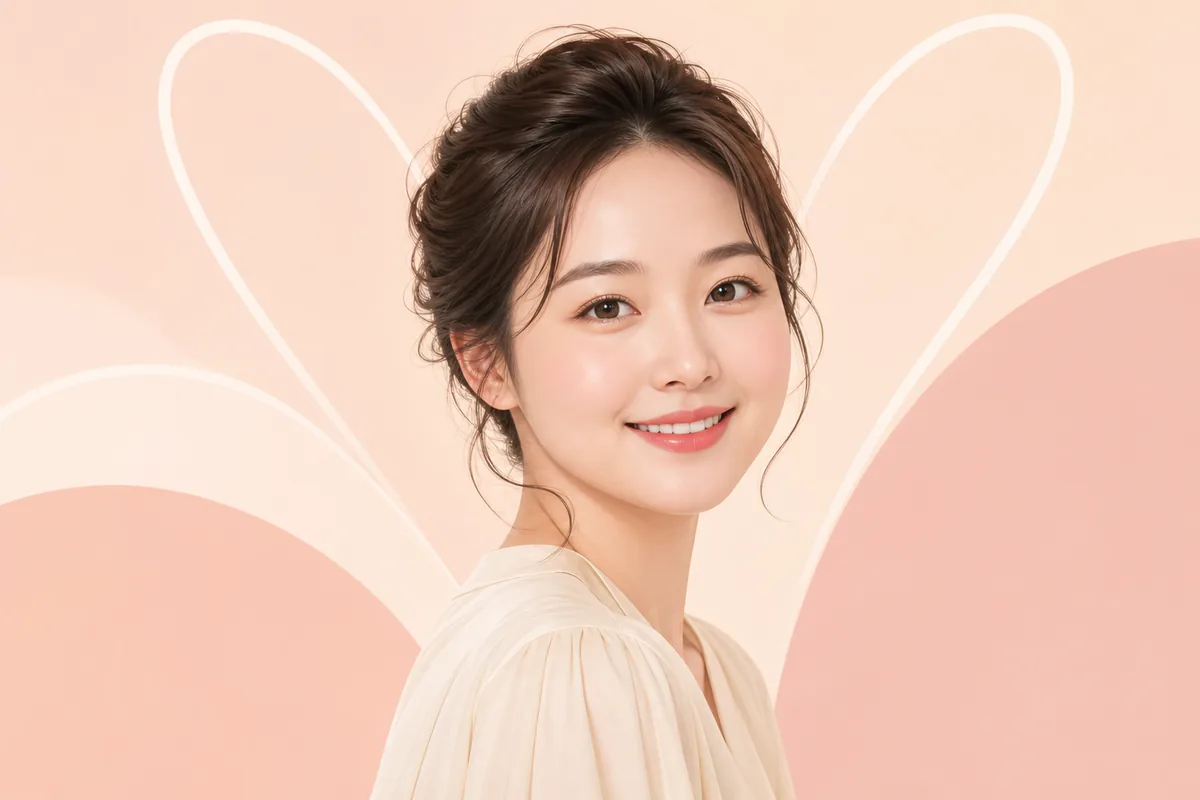
The bunny face type, also called rabbit face type, is a Korean beauty-language archetype for a face that reads bright, soft and youthful. Round or open eyes, gentle cheek fullness, a small neat nose and a compact outline usually create the signal together.
The label is useful for comparing nearby types, interpreting a photo-test result or choosing styling references. It is not a scientific classification or an attractiveness score.
This guide uses a five-cue check, comparison table and styling notes so you can judge the whole face instead of one feature.
What does bunny face type mean?
Bunny face does not mean literal resemblance to a rabbit. It compresses open eyes, soft central features, rounded cheeks and a lively smile into one familiar impression. The established Korean term is 토끼상 (tokki-sang).
English sources use bunny and rabbit interchangeably. Bunny may sound more playful, but both usually describe the same archetype. See the animal face types guide for the wider system.
- Bright round or softly open eyes
- Compact round or soft-oval outline
- Gentle cheek fullness
- Small neat nose and mouth
Bunny face features and a five-cue self-check
No single trait proves a bunny face type. Check the eyes, outline, cheeks, central features and expression as a cluster. Front teeth can strengthen the association, but they are not required and should never be mocked.
Use an eye-level photo in even daylight. Check neutral and smiling expressions, mark each cue strong, possible or weak, then compare the animal face type chart.
- Eyes are bright rather than narrow and sharply lifted.
- The face reads shorter than deer or fox.
- Cheeks add softness without a heavy jaw.
- Nose and mouth feel small relative to eyes and cheeks.
- The total impression feels playful before elegant or intense.
| Area | Typical bunny cue | What can change it |
|---|---|---|
| Eyes | Round, bright and open | Liner, lashes and expression |
| Outline | Compact, round or soft oval | Lens distance, tilt and hair |
| Cheeks | Soft or gently full | Smile, blush and lighting |
| Nose and mouth | Small and softly defined | Angle, contour and lip pose |
| Mood | Sweet, lively and youthful | Styling and facial tension |
Bunny vs rabbit, deer, puppy and cat face types
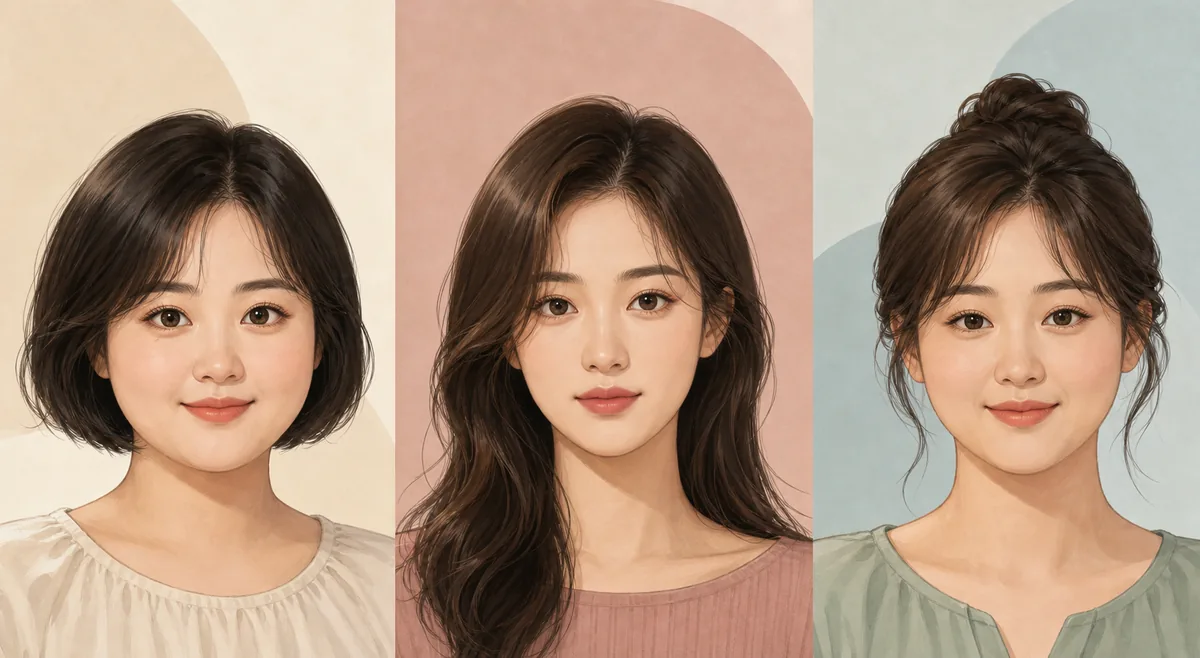
Bunny and rabbit are two names for the same core type. Deer shares large eyes but has a longer refined outline. Puppy shares softness but looks warmer, often with downturned eyes. Cat is more lifted and defined.
Compare face length first, eye direction second and cheek volume third. Read the deer face guide if your result feels elongated and graceful.
| Type | Eyes | Outline | Impression |
|---|---|---|---|
| Bunny / rabbit | Round and bright | Shorter and compact | Sweet and playful |
| Deer | Large and gentle | Refined or longer | Graceful |
| Puppy | Soft, sometimes downturned | Soft oval | Warm |
| Cat | Almond and lifted | Narrower lower face | Chic |
Bunny face makeup and photo styling
Bunny-face makeup favors freshness over sharp contour. Use fine liner, separated lashes and a soft brow so the eyes stay open.
Blend blush on or slightly above the apples of the cheeks and keep contour light. For comparison photos, avoid close wide-angle shots and heavy filters that exaggerate eyes and cheeks.
- Fine brown liner
- Separated lashes
- Soft brows
- Fresh diffused blush
- Light contour and eye-level photos
Mixed types, AI results and sensible limits
Real faces rarely match one card perfectly. Bunny eyes and cheeks can sit with deer-like length or puppy-like eye direction. A ranked result with reasons is more useful than one rigid label.
Use the Korean animal face types test as a comparison prompt, not a verdict. Lighting, expression and camera distance can change the strongest cue.
See whether bunny is your strongest signal
Use the checklist, then compare a clear photo with bunny, deer, puppy, cat and other types.
Bunny face type FAQ
Research and methodology notes
-
Keyword opportunity reviewSimilarweb found bunny face type at 900 recent volume and difficulty 0; rabbit face type had volume 160 and difficulty 0.
-
Intent boundaryBroad animal-face and photo-test queries remain on existing taxonomy and tool pages.
-
Editorial scopeThis page treats animal-face language as flexible cultural vocabulary, not science.
-
Next comparisonFor a focused bunny-versus-puppy comparison of eyes, face length and makeup, continue to the new comparison guide.Read the bunny vs puppy guide