Women Face Archetypes Dogs Cats Mice
A focused comparison of three visual archetypes, with practical cues for reading a face without treating a beauty label as a personality test.


A useful boundary
Women face archetypes dogs cats mice are informal beauty language. They are not scientific classifications, personality tests, ethnicity rules or attractiveness rankings. Use the labels to describe a style impression, then check the actual features that created it.
Quick answer
- Dog faces usually read open and soft, with rounded or gently downturned eyes, approachable expression and fuller cheeks.
- Cat faces usually read lifted and defined, with almond or upturned eyes, a cleaner lower face and stronger visual contrast.
- Mouse faces are a delicate, compact impression built from smaller features, alert eyes and subtle cheek or nose detail; the label is less standardized.
- Eye shape starts the comparison, but face length, jawline, cheek volume, nose shape, expression and camera angle decide the closer match.
- Mixed results are normal. Keep two leading descriptions when several cues remain close instead of forcing one permanent identity.
The search women face archetypes dogs cats mice points to a narrow comparison task. You are not looking for a random animal nickname; you want to know why one photo feels dog-like, another feels cat-like and a third seems small, alert or mouse-like. This page keeps the comparison to those three impressions so you can separate stable facial cues from makeup, expression and camera effects.
There is no official list or universal formula. In everyday beauty discussion, dog usually describes softness and openness, cat describes a lifted and defined line, and mouse describes a petite, delicate impression. The mouse label is less standardized than dog or cat, so it should be treated as a descriptive shorthand rather than a fixed category. Our nine female animal archetypes guide covers the wider system; this page goes deeper into this three-way boundary.
For a quick personal hypothesis, try the animal face type quiz with a clear front-facing photo. Then return to the comparison below and ask whether the result is supported by more than one feature. A useful result gives you language for styling and self-observation, not a verdict about your character or worth.
What Women Face Archetypes Dogs Cats Mice Mean
Women face archetypes are a visual vocabulary. A label groups several observations, such as eye direction, face length, cheek volume and the amount of angular contrast in the lower face. Saying that a face reads as cat-like is quicker than listing every cue, but the label only works when the underlying cues remain visible across more than one photograph.
The word women describes the style context of the search, not a biological rule. People use these labels for feminine-presenting makeup references, entertainment trends and photo self-checks. They should never be used to infer kindness, intelligence, maturity, trustworthiness or any other personality trait. A first impression is something a viewer experiences; it is not evidence about the person being viewed.
Start with the whole face rather than a single eye shape. Compare the eye line with the outline of the face, the width of the cheeks, the nose scale and the jaw. When those signals agree, an archetype can be a helpful style shorthand. When they disagree, a mixed description is more honest.
- Use a neutral, front-facing image before a posed selfie.
- Separate structure from eyeliner, contour, filters and expression.
- Look for patterns that remain in at least two different photos.
- Keep the language descriptive: soft, lifted, compact, delicate or defined.
Dog, Cat and Mouse at a Glance
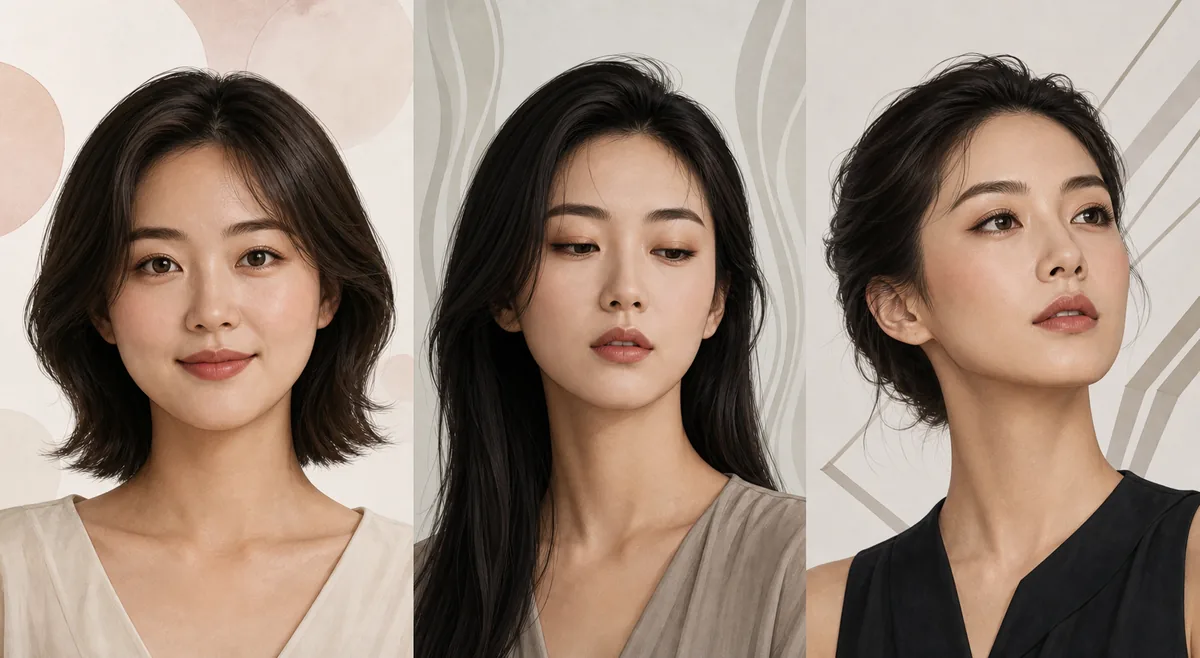
The fastest comparison starts with the dominant visual direction. Dog and mouse can both look gentle, but dog usually feels more open and rounded while mouse feels smaller and more finely detailed. Cat and mouse can both look alert, but cat usually has more lift, contrast or angular definition. Use the table as a starting map, not a checklist that every face must obey.
| Archetype | Strongest cue | Typical outline | Style impression | Common mix-up |
|---|---|---|---|---|
| Dog | Open eyes and soft expression | Round, oval or gently broad | Warm, approachable, relaxed | Bunny or deer |
| Cat | Lifted almond or upturned eyes | Defined, tapered or compact | Chic, focused, polished | Fox or mouse |
| Mouse | Small, alert details | Petite, compact or fine-boned | Delicate, lively, understated | Bunny or cat |
Dog Face Type Women: Open, Soft and Approachable Cues
A dog face impression usually begins with openness. The eyes may be round, softly almond-shaped or gently downturned at the outer corners. The brows often look straighter or relaxed, and the lower face has more softness than sharp contrast. Fuller cheeks, a rounded chin or a naturally easy smile can reinforce the feeling, but none of these traits is required on its own.
The word dog in this context is about visual warmth, not a claim that someone is obedient, loyal or simple. A person can have a dog-like appearance and any personality. Keep the description tied to what is visible: open eye area, soft cheek transition, relaxed mouth and approachable expression.
Dog can overlap with bunny when the face is short and the eyes are bright, or with deer when the face is longer and the gaze is calmer. To separate them, check the eye direction first, then ask whether the cheeks create a youthful roundness or the outline creates a longer, delicate line.
- Photo cues: relaxed mouth, even light and eye-level camera.
- Styling cues: rounded blush and softer brow shapes can emphasize the impression.
- Tie-breaker: dog is usually more open and relaxed than mouse, which is smaller and more finely detailed.
Cat Face Type Women: Lifted, Compact and Defined Cues
A cat face impression is driven by direction and contrast. Almond or upturned eyes, a visible outer-corner lift and a cleaner lower face often create the first signal. The face can be oval, heart-shaped or tapered; what matters is the relationship between the eye line, cheek structure and jaw rather than one official face shape.
Cat and fox are close because both can look sharp or lifted. Cat usually stays more compact, with a shorter midface or clearer cheek definition. Fox tends to extend the same energy into a longer, narrower outline. Cat and mouse can also overlap when the eyes are alert, but mouse generally uses smaller, subtler features and less visual contrast.
Cat is a style description, not a personality shortcut. Avoid turning focused eyes into words such as cold, sly or unkind. If you are choosing makeup, you can use the visual cue without making a judgment: a short wing can echo the eye direction, while a soft lip can keep the overall balance natural.
- Photo cues: keep the head level so lens distortion does not exaggerate the jaw.
- Styling cues: lifted liner or a defined brow can increase the cat impression temporarily.
- Tie-breaker: compare face length and visual weight after noticing the eye line.
Mouse Face Type Women: Petite, Delicate and Alert Cues
Mouse face type women is a less standardized phrase than dog face or cat face. In style discussions it usually describes a petite, delicate impression: smaller features, a compact or fine-boned outline, bright alert eyes and subtle cheek or nose detail. The point is not that a person literally resembles a mouse; it is a compact visual metaphor for a low-key, finely scaled face.
Mouse can look gentle like dog, but the scale is different. Dog tends to communicate openness through roundness, cheek softness and a relaxed gaze. Mouse tends to communicate delicacy through smaller feature spacing, a neat nose or chin and a quick, alert eye impression. The distinction is about visual proportion, not a ranking of beauty.
Because the term is informal, use it carefully. If a photo only looks mouse-like because of a narrow crop, strong highlight or a playful expression, do not treat that moment as a stable type. Compare a neutral image, a natural smile and a slightly wider crop before deciding whether the delicate impression remains.
How to Self-Check Women Face Archetypes Dogs Cats Mice
Use two or three images rather than one highly posed selfie. Choose a neutral front-facing photo in indirect daylight, a natural smile and a slightly wider crop. Tie back hair that hides the jaw, switch off beauty filters and keep the camera at eye level. The goal is consistency, not a perfect laboratory measurement.
First mark the eye direction: open and relaxed, lifted and defined, or small and alert. Next compare the face length and cheek volume. Then inspect the jaw and chin. Finally, say the impression out loud using neutral words before choosing an animal label. This order prevents one memorable feature from dominating the entire read.
If the result changes between photos, record the condition that changed: lighting, angle, expression, makeup or crop. A changing result often tells you which cue is styling-dependent. It does not mean the face is confusing or that one photo is the true version of you.
| Step | Inspect | Question to ask |
|---|---|---|
| 1 | Eyes | Is the eye line open, lifted or petite and alert? |
| 2 | Face length | Does the outline read compact, balanced or elongated? |
| 3 | Cheeks and nose | Is the center soft and rounded or fine and understated? |
| 4 | Jaw and chin | Do the lower lines add definition or softness? |
| 5 | Across photos | Which cues remain when light and expression change? |
Styling, Camera Effects and the Limits of the Labels
Makeup can move an impression. Winged liner, lifted brows and contour can make a face read more cat-like; rounded blush, softer brows and under-eye emphasis can make dog or mouse cues feel stronger. These are styling choices, not proof that the underlying face has changed. When comparing archetypes, look at one unfiltered photo before evaluating the makeup result.
Camera distance can be just as influential. A close wide-angle selfie enlarges the center of the face and can make cheeks or the nose look rounder. A longer lens and even light can make the lower face look narrower. Keep the camera at eye level, step back slightly and compare several images before deciding that a type is stable.
The most responsible use is practical and limited: choose a makeup direction, find a photo style or name a visual mood. Do not use women face archetypes dogs cats mice to judge attractiveness, ethnicity, age, health or character. If a label makes you feel boxed in, drop the label and describe the actual feature instead.
Mixed Results Are Normal
Many faces combine the three signals. A cat-dog mix may have lifted eyes with soft cheeks. A dog-mouse mix may have an open gaze but small, delicate features. A cat-mouse mix may be compact and alert without the stronger angular contrast of a cat. A mixed answer is often more useful than forcing one label because it records the tension between cues.
AI results should be read the same way. Image quality, crop, lighting, expression and the model's training data can move the percentage spread. Review the leading two results across more than one clear photo, then compare the written cues in this guide. The tool can suggest a vocabulary; it cannot diagnose a person or reveal a permanent identity.
Ready to Compare Your Own Result?
Upload a clear, front-facing photo, review the leading animal types and return to this guide to check whether the structural cues agree.
Women Face Archetypes Dogs Cats Mice FAQ
Sources and context
-
Animal face archetype search evidenceKeenable research on November 16, 2026 returned a mix of comparison guides, a beauty article and a visual test page. Returned order is retrieval order, not a verified Google ranking.Read the existing nine-type guide
-
A broader face-type comparisonOur general guide explains how animal-face language differs from a fixed scientific classification.Open the general guide
-
Responsible photo interpretationThe article's examples are descriptive and entertainment-focused; no reader photos are collected for this guide.Review the privacy policy