Snake Face Type: Features, Self-Check, Makeup and Comparisons
A practical guide to the snake face type label: narrow eye lines, elongated structure, refined definition, styling cues, and the difference between a snake impression and nearby cat or fox types.

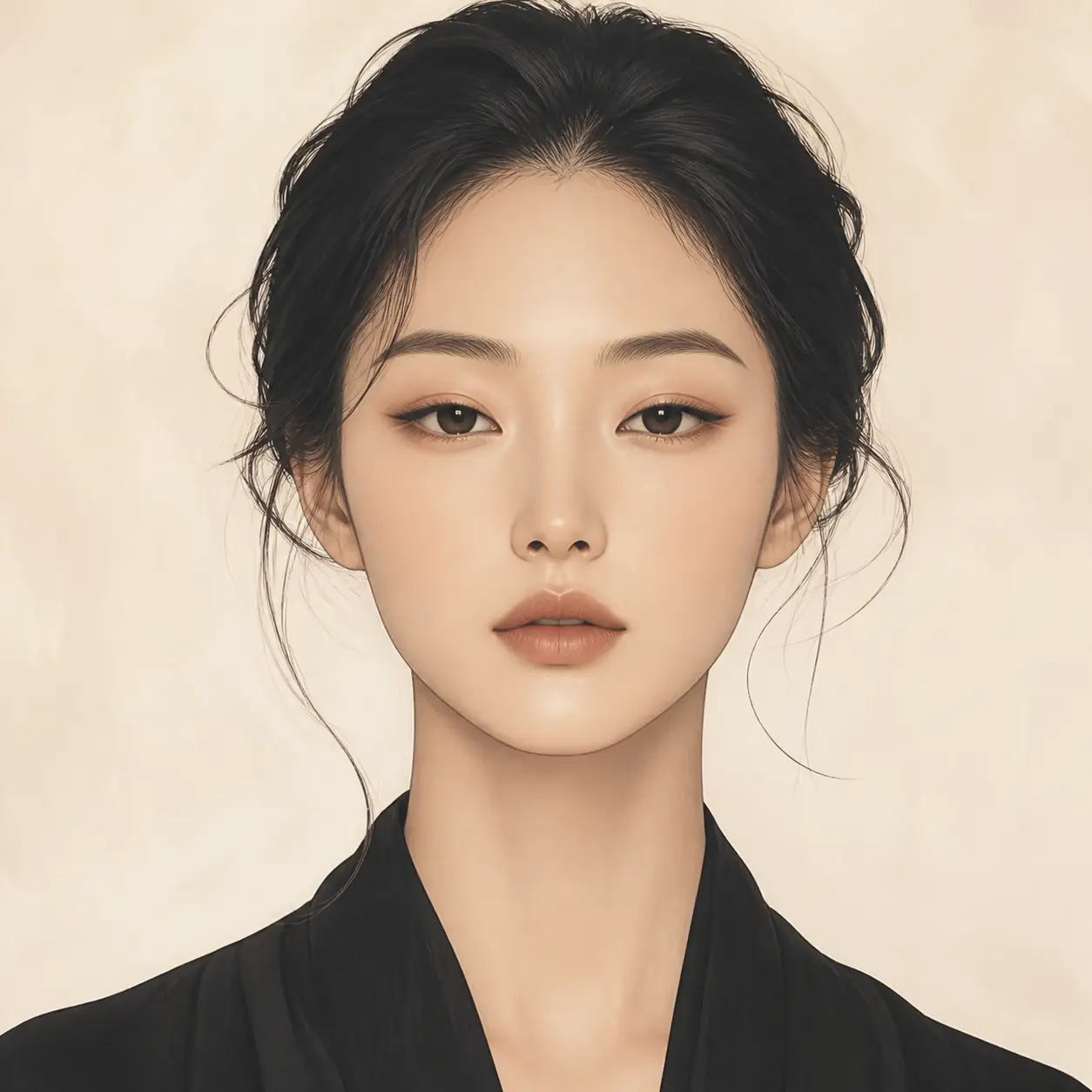
Editorial note
Snake face type is entertainment and beauty-language vocabulary, not a medical, personality, physiognomy, or attractiveness diagnosis. Use it as a flexible style lens, and remember that charts can use different labels.
Quick answer
- Snake face type usually describes a long, refined, slightly mysterious facial impression rather than a literal resemblance to a snake.
- The strongest cues are often a narrow or steady eye line, longer face proportions, a defined nose bridge, and a cleaner lower face.
- Snake can overlap with fox and cat, but snake usually feels calmer and more elongated than cat and less lifted or dramatic than fox.
- Makeup, lighting, hair, expression, and camera angle can strengthen or soften the impression, so one photo should not decide the label.
- Snake is not one of Animal Face Test's nine current output animals; use the label as an adjacent beauty archetype and read AI results as mixed signals.
Searches for snake face type usually come from readers who already know the broader animal-face trend and want to understand a less common label. The question is not whether a person literally looks like a snake. It is whether the face gives a long, composed, sleek, or quietly intense impression.
In online beauty language, snake is best treated as a visual archetype. It compresses several cues into one memorable image: a steady eye line, elegant vertical proportions, a defined bridge or nose, and a lower face that looks refined rather than round. The label can be flattering in one context and uncomfortable in another, so the useful goal is description, not judgment.
This page is narrower than our animal pretty types guide and more practical than a broad animal face type chart. It shows how to self-check the pattern, compare it with cat and fox, and decide whether the label actually helps you understand your own features.
What Does Snake Face Type Mean?
Snake face type is an internet beauty label for a face that reads elongated, controlled, and subtly striking. Depending on the chart, the label may be grouped with animal pretty types, Korean-style animal face vocabulary, or a wider list of visual archetypes. There is no single official checklist, which is why two articles can describe the same person with different animal words.
The impression often begins with the eyes. A narrow, level, softly lifted, or hooded-looking eye line can feel more serpentine than a very round, open, or pleading gaze. The rest of the face then decides whether the impression feels elegant, sharp, soft, or mysterious.
A good reading uses several cues together. A long face alone does not make a snake type, and narrow eyes alone do not prove it. Look for a consistent combination of eye line, vertical proportions, nose definition, lower-face structure, and expression before using the label.
- Core meaning: a sleek, elongated, composed, and slightly mysterious facial impression.
- Best-fit intent: understanding a beauty-language archetype and choosing style references, not diagnosing identity or personality.
- Useful variants: snake face type features, snake face type makeup, snake vs cat face type, and snake vs fox face type.
- Important boundary: snake is not one of the nine animals currently scored by Animal Face Test, so do not expect every tool chart to include it.
Snake Face Type Features: The Signals to Check
Start with the eye line, then widen your view to the whole face. Snake-like impressions usually look quieter than dramatic fox eyeliner and less deliberately lifted than a classic cat reading. The gaze may seem steady, observant, or slightly hooded even when the eyes are not especially small.
Next, check vertical proportion. A longer oval, gently tapered face, or visible distance between the eyes, nose, mouth, and chin can create the elongated quality people associate with snake. This does not require a very thin face; balance matters more than one measurement.
Finally, look for definition without overreading it. A clear nose bridge, straighter nose line, sharper lip contour, or cleaner jaw can add structure. Soft cheeks, rounded lips, or a warmer smile may create a snake-deer or snake-cat blend rather than a pure sharp impression.
| Feature | Snake-leaning signal | What it may mean instead |
|---|---|---|
| Eyes | Narrow, steady, level, softly lifted, or slightly hooded | Strong outer lift can lean cat or fox; very open round eyes can lean deer or puppy |
| Face length | Longer oval or gently vertical proportions | Very long and narrow may lean fox; short and round may lean bunny or puppy |
| Nose and bridge | Defined bridge or a clear central line through the face | A sharp nose alone is not enough; styling and light can exaggerate it |
| Jaw and chin | Clean taper or refined lower face without heavy roundness | A dramatic V-line may lean cat; a very delicate jaw may lean deer |
| Expression | Calm, composed, observant, or quietly intense | A warm open smile can shift the reading toward puppy, bunny, or deer |
How to Check If You Have a Snake Face Type
Use a neutral front-facing photo before you look at makeup, celebrity examples, or personality descriptions. Put the phone at eye level, remove extreme filters, and compare a relaxed expression with a small natural smile. The goal is to see the pattern that remains when styling is not doing all the work.
A five-step check is more reliable than asking whether one feature looks snake-like. If four or five cues point in the same direction, snake may be a useful style description. If the cues split, call it a mixed impression instead of forcing a single category.
Remember that the result is about visual language. It can help you choose eyeliner, hair shape, portrait angles, or reference images, but it cannot tell you who you are or how attractive you should feel.
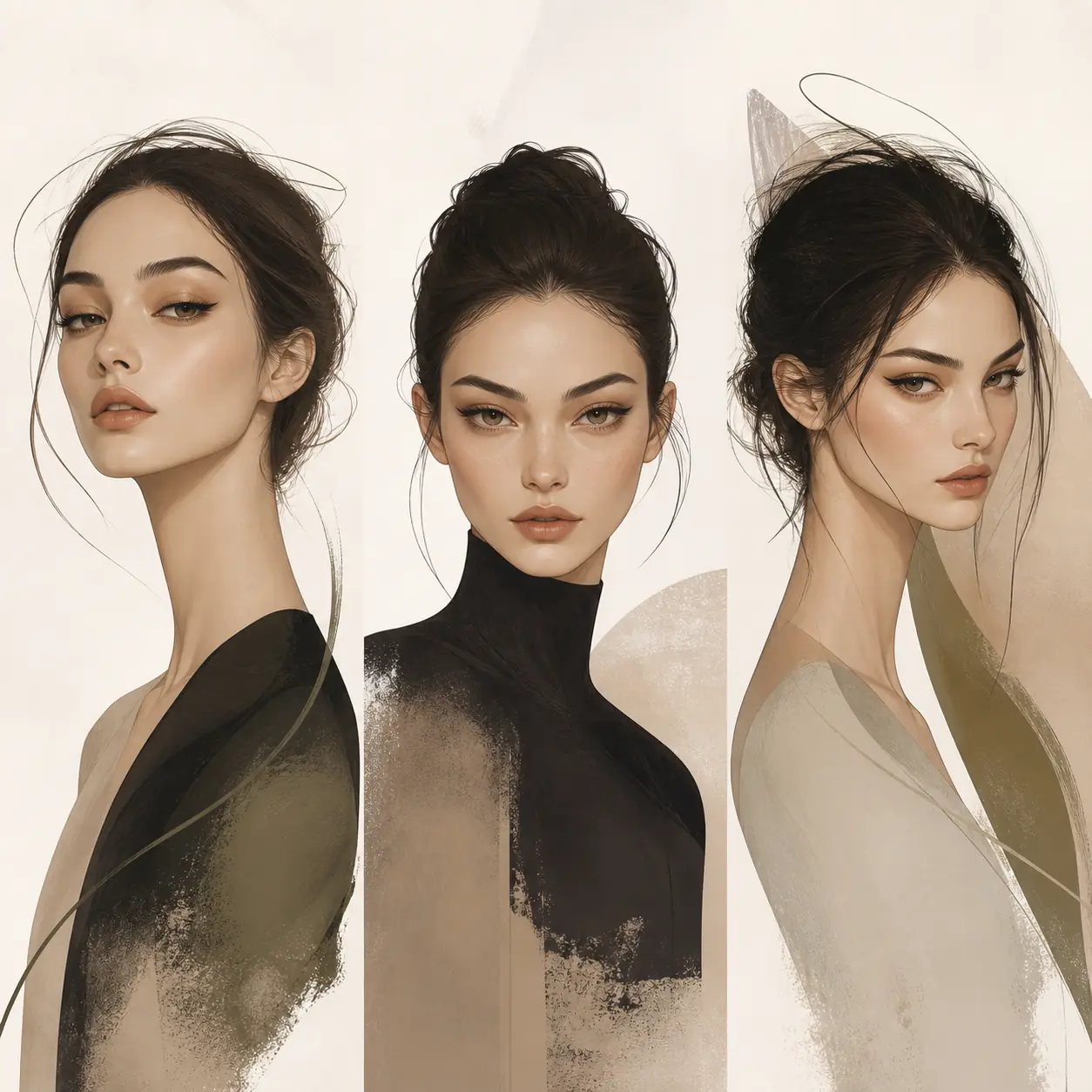
- 1. Check the eyes: note whether the eye line is steady and narrow, gently lifted, very round, or openly soft.
- 2. Check the outline: compare face length with width and notice whether the overall shape feels vertical, compact, or sharply tapered.
- 3. Check the center line: look at the nose bridge and the spacing from eyes to mouth without zooming in on one feature.
- 4. Check the lower face: observe whether the jaw is refined and clean, very pointed, softly rounded, or longer and narrower.
- 5. Name the blend: snake-cat may feel sleek and lifted, snake-fox more elongated and sharp, and snake-deer more delicate and quiet.
Snake vs Cat, Fox, Deer, and Other Animal Face Types
The most useful comparison is not which label sounds best. It is which visual cue explains the first impression. Snake and cat can both feel sleek, but cat usually centers on lifted eyes and polished angularity. Snake is more likely to feel steady, elongated, and quietly intense.
Fox is the closest neighbor when the face is narrow or the eyes are long. Fox often reads more dramatic and pointed, while snake can stay controlled and understated. Deer overlaps when the face is long and delicate, but deer usually has a more open, gentle eye impression. Bunny and puppy can appear as secondary types when softness or a warm smile changes the overall mood.
| Type | Main visual cue | How it differs from snake |
|---|---|---|
| Snake | Steady eye line, elongated balance, quiet definition | The selected reference point for this guide |
| Cat | Lifted eyes, cleaner angles, polished lower face | Usually more lifted and chic, less calm or vertical |
| Fox | Longer narrow silhouette, pointed or dramatic lines | Often sharper, more elongated, and more visibly mysterious |
| Deer | Large gentle eyes, light oval proportions, delicate softness | More open and tender; snake is usually more contained |
| Bunny or puppy | Rounder eyes, softer cheeks, brighter or warmer expression | More youthful, approachable, or cute than the snake impression |
Snake Face Type Makeup, Hair, and Photo Cues
Snake face type makeup works best when it follows the face's natural vertical balance. A thin line close to the lashes, softly shaded outer corners, and a clean brow shape can make the gaze look more composed without turning it into a dramatic fox-eye effect.
Keep the center of the face balanced. A small amount of definition along the nose or cheek planes can support the impression, but heavy contour can make a normal face look harsh in photos. Satin skin, muted colors, and a controlled lip shape often suit the calm editorial mood better than a very glossy or highly rounded look.
Hair and camera angle matter too. A center part, long clean lines, or a slightly turned portrait can emphasize length. A close wide-angle selfie, strong overhead light, or a very high ponytail can distort the balance and make the face look sharper or longer than it is.
- Keep liner close to the lash line and follow your natural eye direction.
- Use soft taupe or brown shadow before trying a strong black graphic wing.
- Choose a brow shape that is defined but not aggressively arched.
- Use light contour on the cheek or jaw only when it still looks natural in daylight.
- Compare a relaxed photo and a smiling photo before deciding that a cool expression is your fixed type.
How to Read Snake-Like Signals in an AI Animal Face Result
Animal Face Test currently scores nine animals, so a snake-like impression may not appear as a literal result. Instead, look for the combination behind the output: cat can reflect lifted definition, fox can reflect longer sharper lines, deer can reflect elongated delicacy, and tiger can reflect stronger structure or a more intense gaze.
If your top result is cat with fox or deer second, this guide can help you describe the blend without pretending the tool has identified a scientific category. The useful question is which cues repeat across photos and which ones are created by makeup, light, or expression.
For a cleaner comparison, upload a front-facing photo in natural light with minimal filters. Read the score together with the site's animal face type chart, then review the animal face shapes guide for outline cues.
Limits, Mixed Types, and a Respectful Way to Use the Label
Snake face type is not a fixed identity. Lighting, lens distortion, hair, makeup, expression, age, and cultural expectations can all change the way a face is described. A label that feels accurate in a high-fashion portrait may feel completely wrong in a casual selfie.
Mixed types are normal. You may have a snake-like eye line with deer softness, cat definition, or fox length. The most honest answer can be a short description such as “calm and elongated with lifted eyes” rather than a single animal word.
Use the term for creative self-description, makeup references, and photo experiments. Avoid using it to rank attractiveness, predict personality, judge ethnicity, or make claims about health. If a label makes you feel boxed in, you do not need to keep it.
Compare your animal face signals with a clear photo
Use this guide to name the visual cues first, then upload a front-facing photo to compare cat, fox, deer, and the other current Animal Face Test results.
Snake face type FAQ
Research notes
-
GSC and Similarweb opportunity reviewGSC had no qualifying 10-30 position new-page opportunity. Similarweb phrase match, related keywords, and questions were checked for the broad animal-face seeds and the snake candidate before choosing this focused page.
-
Korean animal-face and beauty-language contextKorean beauty coverage shows that animal-face labels are used as style and impression vocabulary. This context is not treated as scientific evidence or a fixed classification.View the Korean beauty context source
-
Animal Face Test editorial taxonomyThe site's existing animal-pretty, face-shape, chart, cat, fox-eye, and AI-test pages were checked to keep this snake guide narrow and non-cannibalizing.Read the broader animal pretty types guide