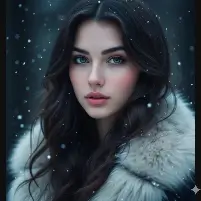
Upload a clear selfie and try an animal pretty test built for people who want to understand their beauty vibe, not receive a harsh attractiveness score. The tool reads visible cues such as eye shape, face shape, cheek softness, jawline, and overall proportions, then compares those signals with animal-style archetypes including cute puppy and rabbit, gentle deer, chic cat, and sleek fox. Your result is a style description with a leading match and nearby types when your features overlap.
Upload Your Photo for an Animal Pretty Test
Use a clear front-facing selfie, or drag and drop your image here
Best results come from even lighting, a neutral expression, and a full view of your eyes, cheeks, nose, and jawline.
Analyzing...
Reading Your Animal Beauty Vibe...
Our AI is comparing your visible features with cute, chic, gentle, and sleek animal-style archetypes.
Preparing your image...
Detecting eye shape, face outline, and lower-face structure
Comparing your features with puppy, cat, deer, rabbit, and fox signals
Writing your animal beauty vibe result
Animal beauty vibe result
Your result will show the animal pretty type that best matches your visible beauty vibe, nearby secondary styles, and the features that shaped the reading.
Analyzing
Your Closest Animal Pretty Type
Primary match--
Beauty vibe--
Confidence--
Why this result fits
How the other animal pretty types compare
How the Animal Pretty Test Works
Step 1
Upload one clear selfie
Start with a straight-on photo in balanced light. The cleaner the image, the easier it is for the animal pretty test to distinguish between round eyes and lifted eyes, softer cheeks and sharper lines, or a shorter face and a longer face.
Step 2
The AI reads visible facial cues
This animal face types test is built around the features users actually care about: eye direction, jawline shape, cheek fullness, face length, nose line, and overall facial balance. It is a visual analysis workflow, not a random personality questionnaire.
Step 3
You get a main type and nearby matches
Instead of forcing one label with no context, the tool returns your top result plus a broader animal face type diagnosis. That helps explain mixed impressions such as cat with fox overlap, or deer with rabbit overlap.
What the Animal Pretty Test Reads
An animal pretty test should explain the visual language behind a result instead of turning beauty into a score. The tool reads a small set of visible signals so you can understand whether your impression feels cute, gentle, chic, or sleek. This section gives the practical breakdown before you interpret a result.
Signal 1
Eye shape and eye direction
Eye shape is one of the fastest ways to separate the most common animal face types.
Rounder, softer eyes often push a result toward puppy face or rabbit face.
Lifted or more almond-shaped eyes often push a result toward cat face or fox face.
Large gentle eyes inside a longer face often support a deer face read.
Signal 2
Face shape and face length
A good animal face type diagnosis does not only inspect individual features. It also reads the total silhouette of the face.
Shorter, softer, more compact proportions often feel rabbit-like or puppy-like.
Balanced sharpness without much extra length often feels cat-like.
Longer, narrower, or more directional proportions can move a result toward deer face or fox face.
Signal 3
Jawline, cheeks, and lower-face softness
Many mixed results come from tension between the eyes and the lower half of the face.
Soft cheeks and a gentle jawline usually support puppy face or rabbit face.
Cleaner lower-face lines and sharper contours usually support cat face or fox face.
A delicate jawline with refined softness often leans deer face instead of a cuter type.
Signal 4
Overall facial vibe
This animal face type quiz is entertainment-first, but it still tries to explain the overall impression people respond to when they describe a face.
Warm and approachable often maps to puppy face.
Chic and defined often maps to cat face.
Graceful and airy often maps to deer face, while cute and youthful often maps to rabbit face, and sleek or mature often maps to fox face.
The 5 Animal Face Types People Search Most Often
Not every site uses the same animal face system, but five types appear over and over in beauty explainers, face archetype articles, and animal face type quiz pages: puppy face, cat face, deer face, rabbit face, and fox face. That is why this page uses them as the core framework. It matches the search intent behind phrases like animal face types test, animal face shape quiz, and what animal do you look like quiz without pretending there is one official universal list.
Core type
Puppy Face
Puppy face sits on the warm and approachable side of the spectrum. In an animal face type quiz, puppy face usually means softer contours, kinder eye energy, and a first impression that feels friendly instead of dramatic or distant. It is one of the most common matches for users who look youthful but not especially doll-like.
Key features: rounder or gently downward eyes, softer jawline, fuller cheeks, less angular facial lines, and a generally warm expression
Overall vibe: soft, cheerful, open, approachable
Often confused with: rabbit face when the face looks even cuter and more compact, or deer face when the eyes feel large but the face is longer
Core type
Cat Face
Cat face is one of the most recognizable animal face types because the visual language is strong. Users who get cat face often have sharper lines through the eyes and chin, more definition through the cheek area, and a polished look that reads chic rather than cute.
Key features: almond or slightly lifted eyes, clearer cheekbones, sharper lower-face lines, and a more defined chin
Overall vibe: chic, cool, polished, magnetic
Often confused with: fox face when the whole face also looks longer and narrower, or deer face when the sharpness softens and the eyes get gentler
Core type
Deer Face
Deer face leans graceful, delicate, and bright-eyed. In this animal face types test, deer face is less about baby-faced cuteness and more about a gentle, airy impression. Large eyes matter here, but so does the longer or more refined overall face shape around them.
Key features: large gentle eyes, longer or slimmer proportions, refined features, delicate jawline, and lighter facial balance
Overall vibe: graceful, innocent, luminous, airy
Often confused with: rabbit face when the face becomes shorter and sweeter, or puppy face when the expression feels warmer than refined
Core type
Rabbit Face
Rabbit face is the bright, cute, youthful end of the animal face type quiz spectrum. It often appears when the eyes look round and awake, the face reads soft and compact, and the total effect feels fresh and doll-like. People who search rabbit face are often trying to separate it from puppy face or deer face.
Key features: rounder eyes, softer cheeks, smaller cute central features, younger-looking proportions, and compact facial balance
Overall vibe: cute, lively, sweet, fresh
Often confused with: puppy face when the face reads friendlier than doll-like, or deer face when the eyes stay big but the face gains length
Core type
Fox Face
Fox face is usually where users land when they feel sharper than cat in a longer, more directional way. It keeps some of the lifted-eye quality of cat face, but the face often reads narrower, more mature, and slightly more mysterious overall. That is why fox face is a high-intent comparison term in many animal face type diagnosis searches.
Key features: lifted or longer eyes, slimmer face shape, cleaner profile, more directional lines, and a mature lower-face finish
Overall vibe: sleek, refined, mature, striking
Often confused with: cat face when the face is sharp but not especially long, or bird-type beauty language on broader style sites
How to Use an Animal Pretty Test Result
The animal pretty test is a style-language tool, not a beauty score. Use the result to describe the mood your features create, choose a helpful comparison, and decide which photo or makeup direction you want to explore next.
Beauty baseline
Use one neutral portrait first
An animal pretty test works best when the first photo is neutral. Use it to find the beauty vibe that represents your visible features before testing glam makeup, filters, or dramatic angles.
Style, not score
Separate facial cues from self-worth
This tool focuses on eye shape, face length, cheek softness, and jawline. It does not rate your worth or ask personality questions, so the result stays close to the visual mood in the photo.
Next comparison
Compare close beauty vibes
After the test, read the animal face type guide if your top two matches are close or if you want to understand why a result leans cat, deer, puppy, rabbit, or fox.
Animal Pretty Test FAQ
What is an animal pretty test?
An animal pretty test is a visual beauty-vibe tool that compares visible features with animal-style archetypes such as puppy, cat, deer, rabbit, and fox. This page uses photo-based AI analysis rather than a personality questionnaire or an attractiveness score.
How is this different from a random personality quiz?
A random personality quiz usually asks opinion-based questions and assigns a result for entertainment. This animal face type quiz analyzes visible facial cues such as eye shape, face length, jawline, cheek fullness, and overall proportions to explain why one type fits better than another.
What facial features does the AI analyze?
The tool looks at visible signals including eye shape, eye direction, face shape, jawline, cheek volume, nose line, and facial proportions. Those signals are then compared with the common patterns behind puppy face, cat face, deer face, rabbit face, and fox face.
What is the difference between an animal face type quiz and an animal face type diagnosis?
On this page, quiz is the lighter entry point and diagnosis refers to the feature-by-feature explanation behind the result. The experience is still entertainment-first, but the diagnosis framing helps explain what the AI saw instead of giving you a label with no context.
Can I match more than one animal face type?
Yes. Mixed results are common. Many faces combine signals from two nearby categories, such as cat face with fox overlap or deer face with rabbit overlap. That is why this animal face types test shows your nearby matches instead of only one hard label.